

Reducing Food Waste in South Africa
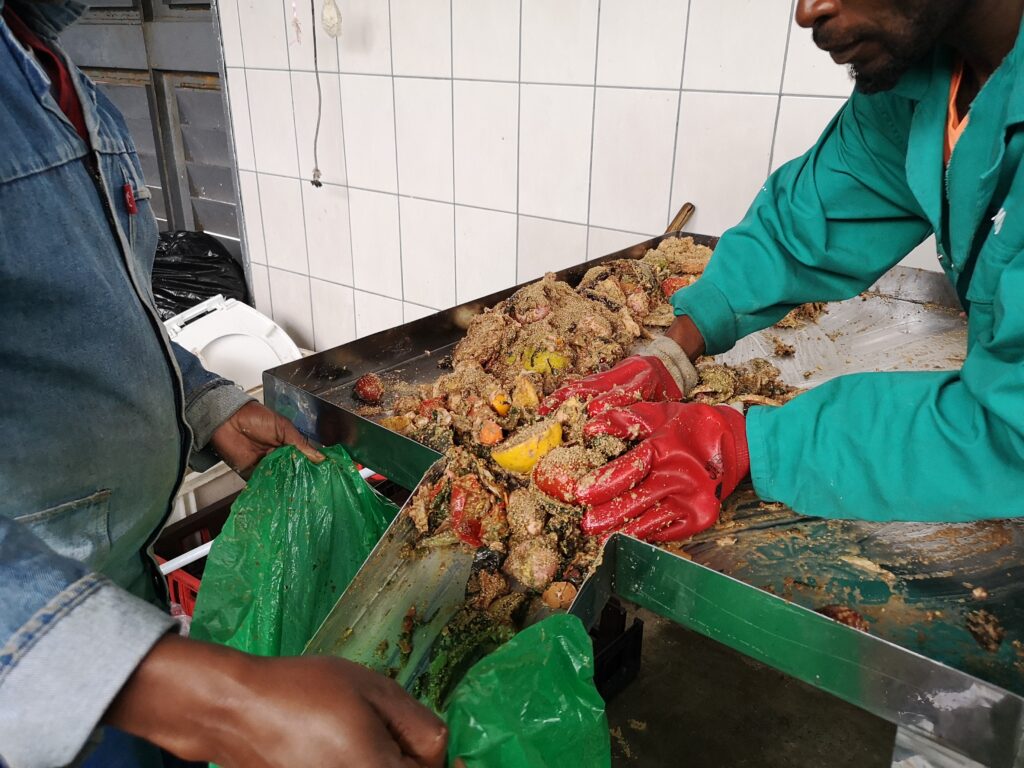
In South Africa, the battle against food waste has gained momentum as the nation strives for sustainable development. Addressing this critical issue not only contributes to environmental conservation but also helps alleviate food insecurity.

In South Africa, the battle against food waste has gained momentum as the nation strives for sustainable development. Addressing this critical issue not only contributes to environmental conservation but also helps alleviate food insecurity. This article explores key strategies and initiatives aimed at reducing food waste in South Africa.
Understanding the Scale of the Issue: South Africa faces significant challenges regarding food waste, with a substantial amount of produce lost throughout the supply chain. From farm to fork, understanding where and how waste occurs is crucial for implementing effective solutions.
Farm-Level Interventions: Implementing smart agricultural practices can play a pivotal role in curbing food waste. Precision farming, improved storage facilities, and better harvesting techniques are some of the strategies that can be adopted to minimize losses at the farm level.
Enhancing Distribution and Logistics: Strengthening the distribution and logistics network is essential for preventing food spoilage during transportation. Efficient supply chain management, proper storage facilities, and timely transportation can significantly reduce food losses between producers and consumers.
Retail and Consumer Engagement: Educating both retailers and consumers is crucial for reducing food waste. Implementing effective inventory management systems in supermarkets, promoting responsible shopping habits, and creating awareness about the consequences of food waste are vital steps toward behavioral change.
Surplus Redistribution Programs: Establishing programs to redirect surplus food to those in need is a powerful way to combat food waste while addressing food insecurity. Partnerships between food producers, retailers, and charitable organisations can facilitate the efficient redistribution of excess but edible food.
6. Government Initiatives and Policy Advocacy: Government support is critical in the fight against food waste. Implementing policies that incentivize businesses to adopt sustainable practices, along with providing financial support for research and development in food waste reduction, can create a more conducive environment for change.
7. Technology Solutions: Embracing technology can significantly enhance efforts to reduce food waste. Innovative solutions such as smart packaging, data analytics for demand prediction, and apps that connect surplus food with consumers can contribute to more efficient and sustainable food systems.
Making use of the Bokashi Bran Food Waste Management System

In the ever-evolving landscape of sustainable practices, commercial kitchens are increasingly seeking innovative solutions to minimize their environmental footprint. One such groundbreaking approach gaining traction is the utilization of the Bokashi bran food waste management system. This eco-friendly method not only reduces landfill waste but also transforms organic kitchen scraps into a valuable resource.
The Bokashi Process:
The Bokashi system is rooted in an ancient Japanese fermentation technique that harnesses the power of beneficial microorganisms to break down organic matter. Bokashi bran, a mix of wheat bran and microorganisms such as lactobacilli, is sprinkled onto food waste layers in an airtight container. This process differs from traditional composting as it operates efficiently in anaerobic conditions, meaning it doesn’t require oxygen to break down the waste.
Reduced Landfill Waste: Bokashi bran accelerates the decomposition process, allowing commercial kitchens to divert a significant portion of their food waste away from landfills. This not only minimizes the environmental impact but also contributes to the overall reduction of greenhouse gas emissions associated with organic waste breakdown in landfills.
Space and Time Efficiency: Unlike traditional composting, the Bokashi system requires minimal space and doesn’t generate unpleasant odors. This makes it an ideal solution for compact commercial kitchen environments where efficient space utilization is paramount. Additionally, the Bokashi process is faster, producing nutrient-rich compost in a matter of weeks compared to months in traditional composting.
Nutrient-Rich Compost: The end product of the Bokashi process is a nutrient-rich compost that serves as an excellent soil conditioner. Commercial kitchens can utilize this compost in landscaping, gardening, or even consider donating it to local community gardens. By closing the loop on organic waste, kitchens contribute to creating a sustainable and circular system.
Improved Hygiene: The anaerobic fermentation process in the Bokashi system suppresses the growth of harmful pathogens and unpleasant odors. This not only creates a more pleasant working environment but also enhances hygiene standards in the kitchen.
Cost Savings: By implementing a Bokashi bran food waste management system, commercial kitchens can potentially save on waste disposal costs. The reduced volume of waste and the production of valuable compost contribute to a more cost-effective and sustainable waste management strategy.

Incorporating a Bokashi bran food waste management system in commercial kitchens is a forward-thinking step toward sustainability. By embracing this innovative approach, kitchens not only reduce their environmental impact but also gain a valuable resource in the form of nutrient-rich compost. As the world continues to prioritize eco-friendly practices, the Bokashi system stands out as a practical and efficient solution for sustainable food waste management in the bustling environment of a commercial kitchen.
Why food waste management is important
Resource Conservation:
Land and Water: The production of food involves the use of vast amounts of land and water resources. When food is wasted, these resources are essentially squandered. Efficient food waste management helps conserve these valuable resources.
Energy Conservation:
Production and Transportation: The energy used in the production, transportation, and processing of food is wasted when the food ends up in landfills. By managing food waste properly, the energy invested in producing and transporting food is better utilised.
Reduced Greenhouse Gas Emissions:
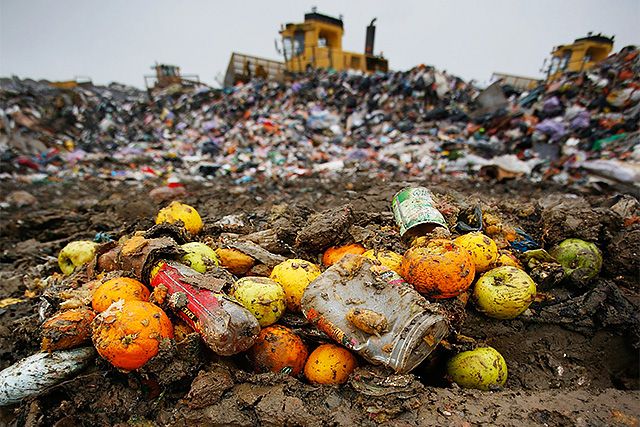
Landfills: When food waste decomposes in landfills, it produces methane, a potent greenhouse gas that contributes to climate change. By diverting food waste from landfills through methods like composting and anaerobic digestion, we can significantly reduce greenhouse gas emissions.
Biodiversity Preservation:
Pesticides and Fertilizers: The production of food often involves the use of pesticides and fertilizers, which can have negative effects on ecosystems and biodiversity. Minimizing food waste means reducing the demand for these agricultural inputs.
Financial Savings:
Households: Managing food waste at the household level can lead to financial savings for individuals and families by reducing the amount of money spent on food that ultimately goes uneaten.
Alleviating Hunger and
Food Insecurity:
Redistribution: Redirecting surplus food to those in need can help alleviate hunger and food insecurity. Instead of letting food go to waste, it can be donated to food banks or other charitable organizations.
Ethical Considerations:
Equitable Distribution: Food waste raises ethical questions about the equitable distribution of resources. Addressing food waste is a step toward creating a more just and equitable food system.
Waste Management Costs:
Municipal Costs: Disposing of food waste in landfills comes with financial costs for municipalities. Implementing efficient food waste management practices can reduce these costs.
Soil Health Improvement:
Composting: Food waste, when composted, can be used to enrich soil quality and improve its fertility. This, in turn, benefits agricultural productivity and reduces the reliance on synthetic fertilizers.
Public Awareness and Education:
Behavioral Change: Focusing on food waste management helps raise public awareness about responsible consumption habits and encourages behavioral changes that contribute to a more sustainable lifestyle.
In summary, effective food waste management is essential for promoting sustainability, reducing environmental impact, preserving resources, and addressing social issues related to hunger and equitable resource distribution. It requires a comprehensive approach involving individuals, businesses, and governments to create a more sustainable and responsible food system.
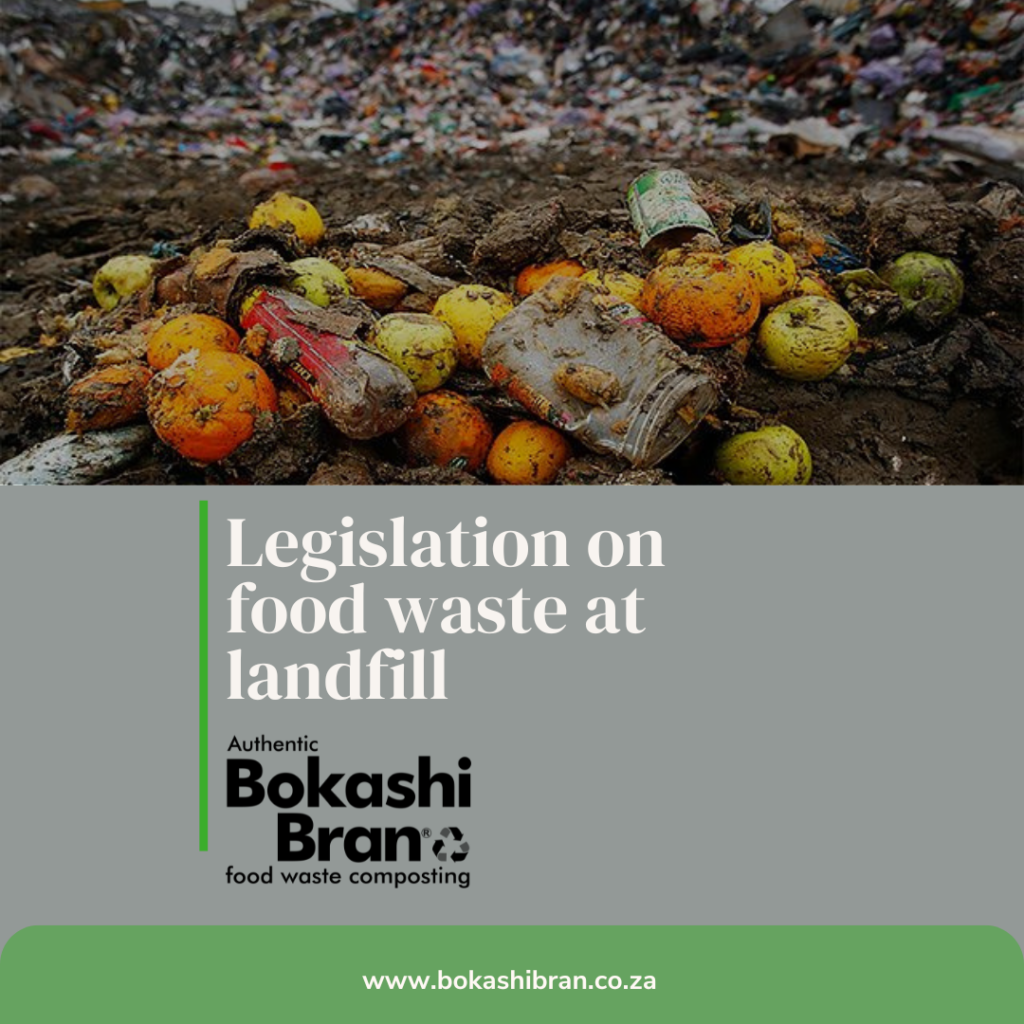
Liquid ban at landfill:
- Waste with >40% moisture is banned from landfill since 2019. Food waste is technically included in this ban as food waste is typically 77% moisture.
- Food Waste at landfill needs to be trenched by arrangement at additional cost.
National Waste Minimisation Strategy:
- The target for 50% diversion from landfill has been set for 2022.
- Outright ban on all organics to ladfill by 2027